

Menstrual Health and Mental Health: Why We Need to Stop Treating Them as Separate Things
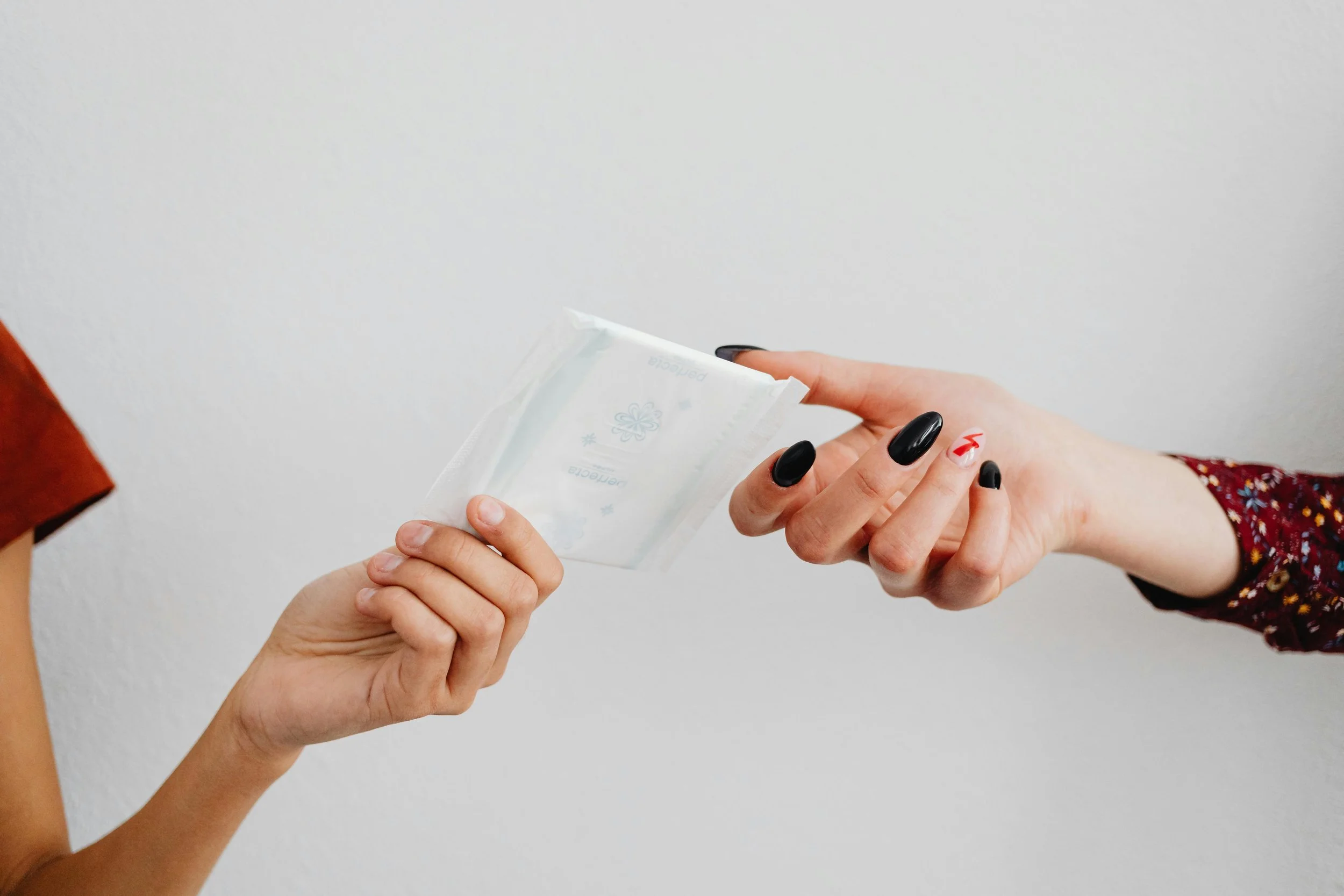
For a long time, we have been encouraged to think about health in separate categories.
Physical health sits in one box, mental health in another, hormones somewhere else entirely, and reproductive health is often treated as if it only matters in relation to fertility, pregnancy or contraception.
But bodies do not work in neat categories, and the science does back this up.
Introduction
Did you know that estrogen withdrawal can cause migraines?
Or that some people with periods have PMDD that is so bad, it’s severe enough to have a functional impact similar to depression?
Menstrual health and mental health are deeply connected. They are constantly dancing together through hormones, neurotransmitters, stress, sleep, pain, inflammation, trauma, identity, relationships and the wider systems we live and work within.
We cannot understand one properly without paying attention to the other. If we are talking about anxiety, depression, burnout, overwhelm, pain, trauma, fatigue, capacity or emotional regulation without ever asking what is happening in the body across the cycle, we may be missing a vital part of the picture.
And that missing piece REALLY matters.
The Menstrual Cycle Starts in the Brain
The menstrual cycle tends to be spoken about (when it’s rarely spoken about!) as if it is simply a monthly bleed. In reality, it’s a whole-body rhythm coordinated by the brain, ovaries, endocrine system, immune system, metabolism, nervous system and inflammatory pathways.
The cycle begins in the brain through the hypothalamic-pituitary-ovarian axis.
The brain sends hormonal signals to the ovaries… the ovaries produce hormones such as estrogen and progesterone… and those hormones then feed back to the brain and body. That means the menstrual cycle is not localised. It is a continuous communication loop between the brain and the body.
These hormones have receptors which interact with mood, cognition, pain, temperature regulation, sleep, blood sugar, immune activity, digestion, connective tissue, skin, muscles and cardiovascular function (this list goes on too). The cycle isn’t simply just a reproductive event, but it is a recurring signal of broader health.
This matters because many people are living with changes in mood, anxiety, pain, appetite, focus, sensitivity, sleep and energy without ever being taught that these patterns may be connected. They may feel inconsistent, unreliable or emotionally unstable, when actually their body may be following a rhythm they have never been given the tools to understand.
That distinction is important because the cycle is context and it’s a context that can actually change everything.
Mental Health is in Crisis
The wider mental health picture in the UK is already deeply concerning and if you’re reading this, I reckon you already know that.
According to the data gathered in the attached evidence base, 22.6% of adults aged 16–64 in England were identified with a common mental health condition in 2023/24, up from 18.9% in 2014 and 17.6% in 2007.
Based on my experience, I think those stats are low compared to the reality.
Mental ill health is not evenly distributed either. Like most things, women are disproportionately affected, with 36.1% of women aged 16–24 identified with a common mental health condition, compared with 16.3% of men the same age. Women also report higher levels of anxiety overall, while LGBTQ+ communities, trans and non-binary people, and people from the global majority experience significantly higher rates of anxiety, depression, discrimination and poorer experiences of healthcare.
If a person is already navigating trauma, discrimination, chronic stress, poverty, workplace pressure or medical dismissal, their relationship with their body and their ability to seek support will be affected.
Menstrual health doesn’t sit outside this context – it operates within it, every day.
Symptoms, Waiting Lists and Trauma
A growing body of evidence shows that the menstrual cycle interacts with mood, cognition and emotional regulation.
Recent research describes cyclical symptoms linked to the menstrual cycle as an overlooked “vital sign” in psychiatry, while studies have found measurable mood changes beginning up to two weeks before menstruation. For some people, this may mean lower mood, anxiety, irritability, poor sleep or reduced capacity before a period. For others, it’s actually even worse.
Around 25% of people who menstruate experience moderate to severe PMS symptoms, while PMDD affects up to 8% and can include debilitating depression, anxiety, self-harm and suicidal thoughts. This is not “just a bad period” - it is serious cyclical distress that deserves recognition and support.
Menstrual health also affects mental wellbeing through pain, inflammation, diagnosis delays and medical dismissal. Conditions such as endometriosis, PCOS and menopause affect millions of people in the UK, often impacting confidence, relationships, identity, work and quality of life. NICE evidence shows significantly increased risks of anxiety and depressive symptoms in people with PCOS, while endometriosis diagnosis still takes an average of over 9 years in the UK.
Trauma and identity matter too.
Menstrual health experiences can intersect with shame, dysphoria, fear, medical trauma, cultural stigma and experiences of not being believed. Not everyone who menstruates is a woman, and not all women menstruate. Race, disability, sexuality, neurodivergence, class and gender identity all shape how people experience their bodies and access support.
Menstrual health is biological, psychological and social all at once. So if we want to properly support mental wellbeing, we cannot ignore the body people are living in.
The knowledge gap isn’t a personal failing, it’s a systems problem… but more on that another time.
Map Your Patterns and Reclaim Knowledge
The above seems a bit bleak, so what can we do?
Cycle Tracking
A solid starting point is not overhauling everything to do with your mental health, menstrual cycle and life, but just… start noticing.
Cycle tracking can be useful here, but only if it is done gently. Don’t let it become another perfectionist task, chore or way to blame yourself. It’s much less about controlling your body and more about understanding how it’s working day to day, week to week.
Here are some things you can take notice of throughout the month:
Cycle length, bleed days, associated pain and discomfort
Mood, anxiety, stress and energy levels
Digestion, appetite, movement
Headaches, sensory sensitivities, social capacity
What makes you feel worse?
What helps?
When do the changes happen?
You’re not the same you every day of every month, and you’re not wired to be.
It won’t take you long to notice the patterns, just give it a month.
Once you notice the patterns of how systems in your body, and outside of it are interacting with one another, you can make changes that support you in a really tailored, nurturing way.
Body Literacy
Learn things we weren’t taught (but should have been in school) and unlearn the things that are no longer true.
Stomach ulcers were originally thought to be caused by stress and personality, Autism was thought to be caused by “cold mothering” and fat was vilified as being awful for us but actually, sugar and processed foods have a lot to answer for, and fat can be very good for you.
Scientists are now moving away from siloed medicine and studying things that have been neglected for a long time – gut microbiome, neuroinflammation, circadian rhythms, fascia and connective tissue and so much more.
This stuff is really interesting and absolutely linked to mental and menstrual health.
Read up, education is power.
The Power of the Workplace
Organisations also need to take both mental health, and menstrual health seriously.
Although the UK now has a formal workplace standard in BSI, the following is true:
Only 11% of employers have a dedicated menstrual health policy
67% people say no support is available
69% of employees who experience menstrual symptoms say those symptoms have negatively affected them at work
Only 16% of HR professionals believe managers are properly equipped to respond well.
What strikes me with this is many of those people in positions of influence may be facing mental and menstrual health issues themselves. They’re probably stressed, anxious, tired or struggling in some way and also need services that aren’t just a wellbeing poster on the wall.
My call to you is to speak up and use organisational budgets to do something about it.
Menstrual health is not too personal to discuss, nor is mental health – both belong in the workplace because amongst other things, they’re already there.
Don’t Separate the Body and Mind
If we treat mental health without understanding the body, we’re missing a huge piece of the picture that can help. If we treat menstrual health without understanding mental health, we aren’t doing it properly.
We can’t keep asking people to disconnect in order to cope and menstrual health isn’t a niche subject – it’s quietly (and sometimes very loudly) both creating and responding to mental health, physical health and the environment around us.
So, build body literacy, seek to understand your cycles and patterns and cut yourself some slack.
Too many people are struggling with symptoms they were never taught to understand, often blaming themselves in the process.
It’s not you, it’s the system.
If you would like support understanding your cycle, symptoms and mental wellbeing in a more connected way, you can explore my 121 menstrual health support or get in touch to work together.
Explore my work:
hello@flowwithpaige.com
